Open banking in New Zealand: what it is and what it means for you
By KiwiBudget Team ·
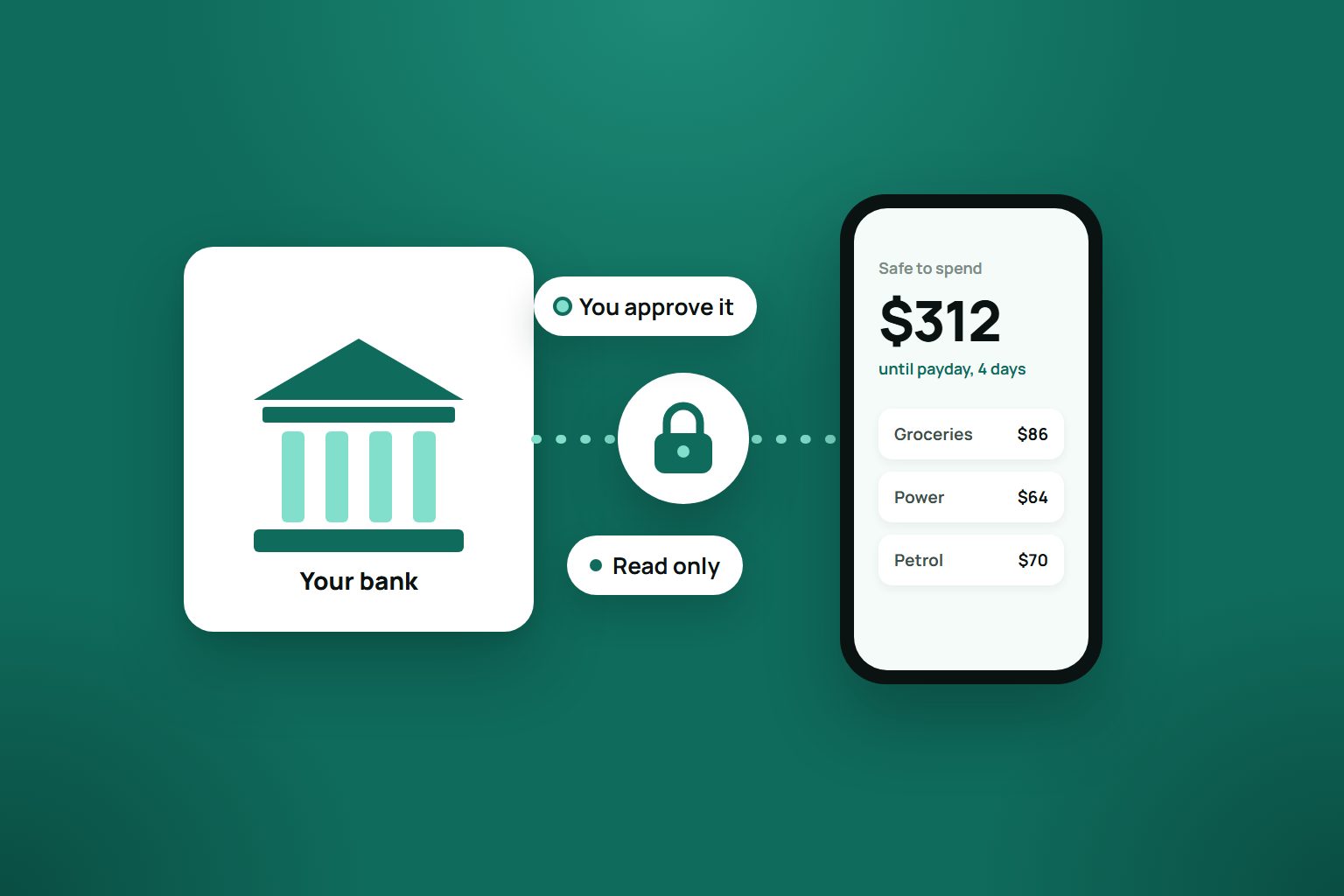
You might have heard the phrase "open banking" in the news over the past year. It sounds technical, but the idea is simple, and it's now part of New Zealand law. Here's what it actually means for you.
What open banking is, in plain English
Open banking lets you tell your bank to share your own information with another business you trust, or to make a payment on your instruction, without handing over your banking password.
That's the important part. In the past, some apps asked for your internet banking login so they could read your accounts for you. Open banking replaces that with a proper, permission-based connection. You approve exactly what's shared, through your bank, and you can switch it off again.
What changed in New Zealand
The Customer and Product Data Act 2025 created what's often called a "consumer data right": your right to have your data shared safely with businesses you choose. Banking is the first industry it applies to.
Under the banking regulations made in October 2025:
- ANZ, ASB, BNZ and Westpac have had to provide open banking since 1 December 2025.
- Kiwibank is phased in: payments from 1 June 2026, and account information from 1 December 2026.
- Other banks and deposit takers can choose to join in.
To begin with, it covers the accounts you can already reach through each bank's main app or internet banking. That widens from June 2027.
What can be shared
When you give permission, your bank can share things like:
- your account names, numbers and types
- your balances
- your transactions and statements
Open banking also covers payments: with your approval, a business can ask your bank to make a payment from your account, for example paying for something online straight from your bank instead of by card.
What it doesn't mean
Open banking doesn't mean your bank data is suddenly open to everyone. A few things stay true:
- Nothing is shared without your permission. You approve each connection, and you choose which accounts are included.
- You can take it back. You can revoke a connection whenever you like.
- Businesses have to remind you. Accredited businesses must tell you about your active permissions every 12 months, and explain how to cancel them.
- Not just anyone can do it. Businesses that want to use the regulated system have to be accredited, which includes having proper safeguards, insurance and a disputes process.
How to stay in control
A few simple habits go a long way:
- Never give an app your internet banking password. With open banking, you approve a connection through your bank or a trusted provider. You shouldn't need to type your bank login into the app itself.
- Check what you're agreeing to. Is it read only (it can see, but not move money), or can it make payments? Which accounts are included, and for how long?
- Tidy up now and then. If you stop using an app, disconnect it. Your bank, or the connection provider, can show you what's connected.
- Turn on two-factor authentication wherever it's offered, so a password alone can never unlock your money or your data.
How KiwiBudget uses it
KiwiBudget connects to your bank through Akahu, New Zealand's open finance platform. You approve the connection with your bank or with Akahu, so your banking login is never entered into KiwiBudget, and we never see or store it.
The connection is read only. KiwiBudget can see your balances and transactions so it can work out what's safe to spend before your next payday, but it can't make payments or move money. There's no payment feature in KiwiBudget at all. Connecting a bank also always needs a second step, an authenticator code or a passkey.
You can disconnect any account in two taps, or revoke KiwiBudget's access yourself at my.akahu.nz. Deleting your KiwiBudget account revokes bank access at the same time. The full detail is on how bank connections work.
And if you'd rather not connect a bank at all, that's fine too. You can add transactions yourself or upload a bank statement, and still get your number.
The short version
Open banking means you decide who gets to see your bank data, and you can change your mind. It's a safer replacement for handing out passwords, and it's what lets apps like KiwiBudget keep your budget up to date without you typing in every coffee.