Black Friday in NZ: how to spot a real deal and keep it to one pay
By KiwiBudget Team ·
Black Friday is on Friday 27 November this year, the day after American Thanksgiving. It's become a big sales weekend here too, and the emails, ads and countdown timers are already rolling in.
Some of the deals are genuinely good. Some are the normal price with a red sticker on it. And for lots of us, the Friday lands in the middle of a pay cycle, four weeks out from Christmas. Here's how to get the good deals without wrecking the rest of your pay.
1. Set your limit from your pay, before you open a single email
The trick is to decide what you can spend before you see what's on sale, not after.
- Start with what's left until your next payday, after rent, power, groceries, petrol and any repayments.
- Your Black Friday money comes out of that number, not on top of it.
- Make a list of things you were already going to buy. A deal on something you didn't need isn't a saving, it's spending.
- Christmas presents come out of your Christmas money. If you're following our payday-by-payday Christmas plan, Black Friday is a good time to tick off gifts at a better price, from the pot you've already set aside.
Example (made up): after the must-pays, you've got $180 left until your next pay. You want a heater that's on your list anyway, and you still need food and petrol for the week. You give Black Friday $60, and stop there.
2. How to tell a real deal from a fake one
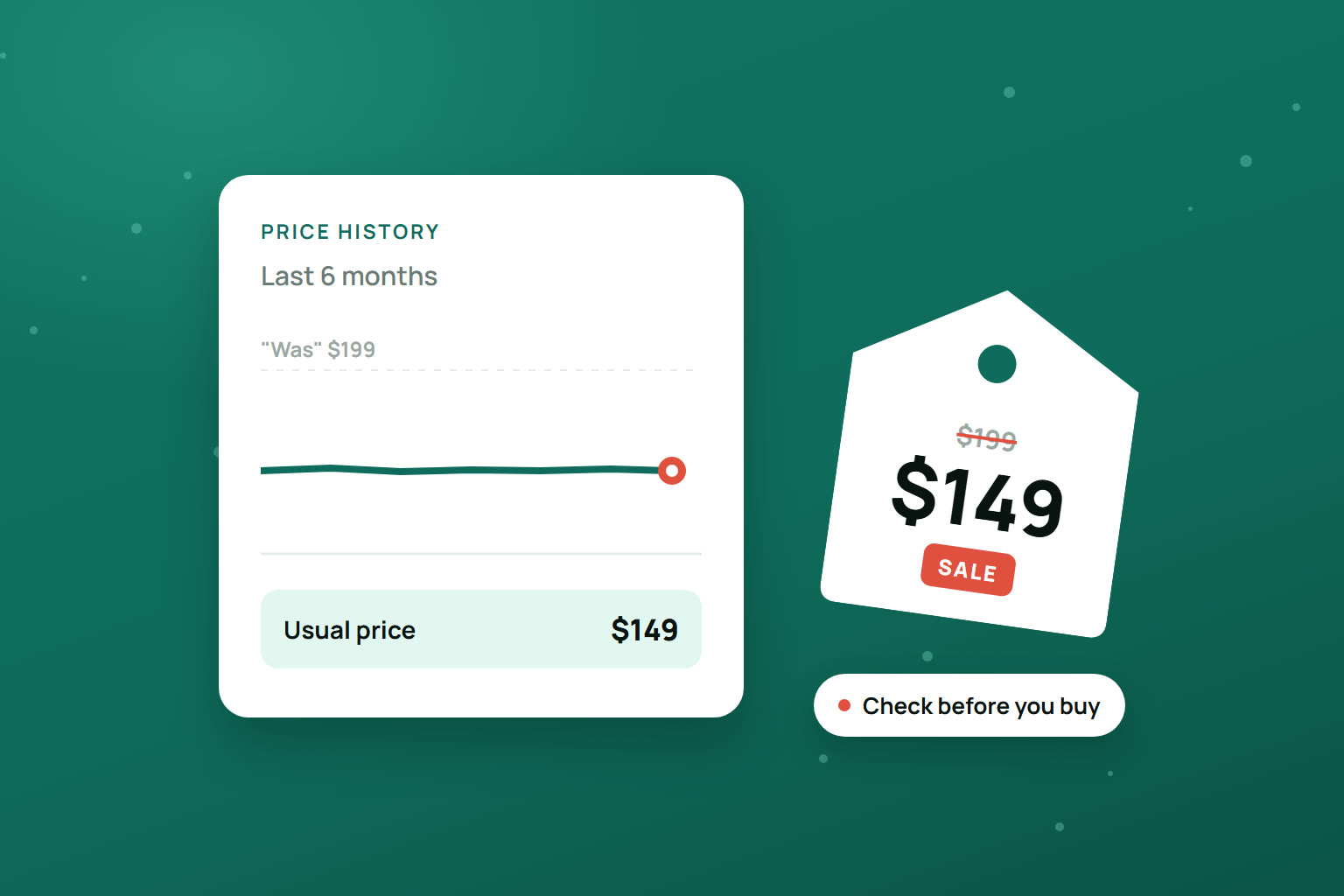
The Commerce Commission says the "usual", "was", "normal" or "everyday" price all mean the same thing. A business may be misleading you if it doesn't actually charge that usual price. And if a shop sells something at a "promotional" price most of the time, that price has become the usual price. A "was" price that's made up just for the comparison, or that's out of date, can be misleading too.
Under the Fair Trading Act, fake discounts and misleading "was/now" promotions aren't allowed, and businesses have to be able to back up their claims.
Before you buy:
- Check the price history. Consumer NZ suggests PriceSpy or PriceMe to see what something usually sells for. A "half-price" deal might have been sitting at that price for months.
- Ignore the labels. "Hot deal" or "Black Friday price" doesn't mean it's cheaper than last week.
- Look past the timers. Countdown clocks and "only 2 left" messages are there to rush you. If it's a real deal on something on your list, it'll still make sense in 10 minutes.
- Compare the total, not the sticker. Add shipping, and check a couple of other shops.
- Read the fine print. A sale should make clear if it only covers some products.
If you think a sale is misleading, you can complain to the Commerce Commission, but it can't act for you on your own issue.
3. Buy now pay later: what the rules say, and the catch
Buy now pay later (BNPL) splits a purchase into instalments, usually weekly or fortnightly, often taken straight from your bank account. It's handy, and it's everywhere on Black Friday. But the government's Consumer Protection site is clear that it's "a form of debt".
What the law says right now:
- Since 2 September 2024, BNPL has been covered by credit law (the Credit Contracts and Consumer Finance Act). Since 1 July 2026, the Financial Markets Authority has been the regulator for that law, taking over from the Commerce Commission.
- Providers have to run a credit check before lending to you, including when you ask for a higher limit.
- But they don't have to do the full affordability assessment that other lenders do, as long as they meet rules on disclosure at the checkout and credit reporting. So a BNPL "yes" doesn't mean anyone has checked it fits around your rent.
- Late fees can apply, and missed payments can affect your credit rating.
- You may not be able to cancel the sale once you've made the first payment.
In March 2026, Consumer NZ and FinCap said the 2024 changes "have not prevented harm", and called for affordability checks and limits on late fees.
If you do use BNPL this Black Friday:
- Put every instalment in your budget, against the pay it'll come out of.
- Watch the timing. Instalments come out on the provider's schedule, which might not line up with your payday.
- Don't stack them. Three small plans across three providers add up fast.
- If you're using it for food or petrol, that's a sign to get some free help (see below), not a reason to feel bad.
Thinking of putting it on a credit card instead? Our credit cards guide covers what that really costs, and why paying the minimum is the trap.
4. Your rights on sale items
A sale price doesn't switch off your rights. When you buy from a business in New Zealand for personal use, the Consumer Guarantees Act says what you buy has to be of acceptable quality, fit for purpose and match its description.
- If it's faulty, the shop has to repair or replace it free of charge, within a reasonable time. If the fault is substantial, you can choose a refund or a replacement.
- "No refunds on sale items" signs don't override the law. Consumer NZ says your rights still apply to sale items, including ones marked "final sale". Consumer Protection says businesses shouldn't say they don't give refunds, or put conditions like time limits on them, and a business can't contract out of the Act.
- Changing your mind isn't covered. If it works fine and you just don't want it, you're relying on the shop's own returns policy. Check it before you buy.
- Private sellers aren't covered, including some Trade Me and Facebook Marketplace sales.
- Overseas websites: the Fair Trading Act still applies, but it could be hard to enforce.
- Paid with BNPL? A refund usually goes back to your BNPL account.
Consumer NZ's tips: pay by debit or credit card, so you can ask your bank for a chargeback if the business goes under or won't fix a fault, and keep your receipts and emails.
If you're already behind
Talk to your lender or BNPL provider as soon as you can. If something unexpected like illness, job loss or a relationship ending has made payments hard, you can ask them to change the contract on hardship grounds. MoneyTalks is free and confidential: call 0800 345 123, free text 4029, or visit MoneyTalks.
How KiwiBudget helps
KiwiBudget budgets on your actual pay cycle, weekly, fortnightly or monthly, so the number on screen is what's safe to spend between now and your next pay. On Black Friday, that's the only number that matters. Create your free account and set your limit before the sales start.
Quick answers
When is Black Friday 2026 in NZ?
Friday 27 November 2026, the day after American Thanksgiving. Shops set their own sale dates, so check the ones you care about.
Can a shop refuse a refund on a sale item?
Not if it's faulty. The Consumer Guarantees Act still applies on sale items. If you just change your mind, it's up to the shop's returns policy.
Does buy now pay later do a credit check in NZ?
Yes. Providers have to run a credit check, but they don't have to do the full affordability assessment other lenders do, as long as they meet disclosure and credit reporting rules.
How do I know if a Black Friday deal is real?
Check the price history on a price comparison site. If it's been at the "sale" price for months, it's not a real saving.
This is general information, not legal or personalised financial advice.