Cold Flat, Big Power Bill: What NZ Students Are Entitled To This Winter
By Jack Ridder ·
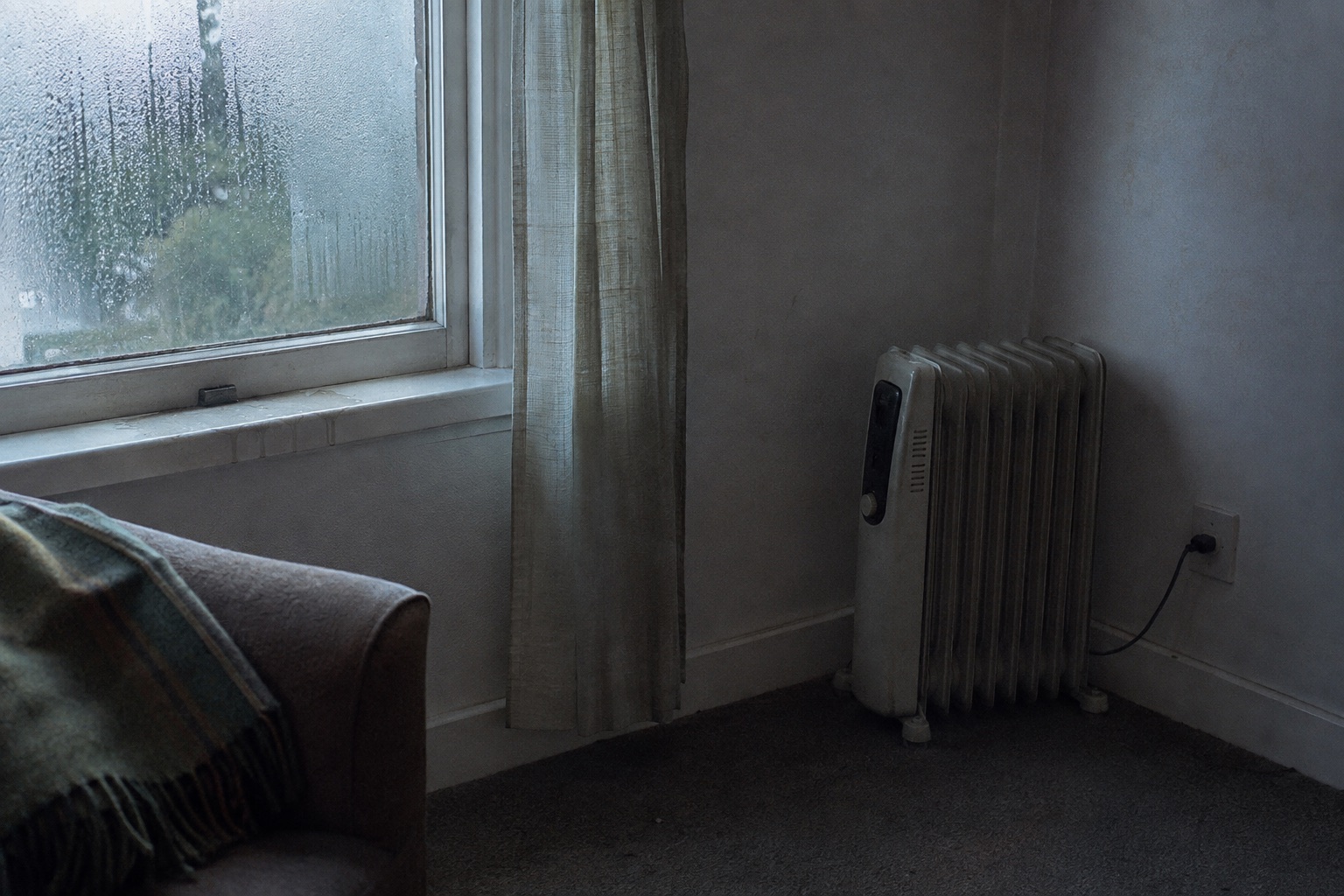
Your landlord is legally required to provide a fixed heater in your main living room. Not a plug-in one. If your flat does not have one, that is a breach of the Residential Tenancies Act, and landlords can face penalties of up to $7,200.
Most people never check, because a cold flat feels like something you just put up with when you are a student. It is not.
Here is what to do right now:
- Look at your living room. Is there a permanently installed heater, at least 1.5kW? A heat pump, flued gas heater, woodburner or fixed electric heater counts. A plug-in oil column or fan heater does not.
- If there is not one, email your landlord or property manager in writing and ask them to meet the heating standard. Keep the email.
- Check whether you are eligible for help with an urgent power bill through StudyLink.
- Run your power plan through Powerswitch. It is free, it is Consumer NZ, and it takes about ten minutes.
One thing to correct straight away, because a lot of people get this wrong: if you are on Student Allowance, you do not get the Winter Energy Payment.
Key Takeaways
Winter is the season students are most likely to be cold, broke and unaware of what they are owed. Three of the five things below are legal entitlements, not favours.
| Point | Details |
|---|---|
| Heating is a legal requirement | Landlords must provide one or more fixed heaters that can directly heat the main living room, with at least 1.5kW capacity. Portable heaters do not count. |
| Insulation is compulsory | Ceiling and underfloor insulation is required in all rental homes, not optional. |
| No Winter Energy Payment on Student Allowance | It comes with Jobseeker Support Student Hardship or a main benefit. Student Allowance on its own does not qualify. |
| StudyLink can help with power bills | There is assistance for urgent costs including power, gas, water and heating, separate from your allowance. |
| Your uni has a hardship fund | Every New Zealand university has some form of hardship support. It is not a loan and applying is not a confession. |
Table of Contents
- Your landlord has to heat the living room
- The other four things your flat legally needs
- The Winter Energy Payment, and why you probably do not get it
- Help you can actually apply for
- Ten minutes on your power plan
- Heating a cold flat for less
- When food is the thing that gives
- Sources
Your landlord has to heat the living room
Under the healthy homes heating standard, a rental must have one or more fixed heaters that can directly heat the main living room. The requirements are specific:
- Permanently installed. A plug-in heater you bought yourself does not satisfy the standard, no matter how well it works.
- At least 1.5kW, and enough capacity for the size of the room.
- Not an open fire, and not an unflued gas heater. Unflued gas heaters put significant moisture into the air, which is part of why so many flats are damp.
Heat pumps, flued gas heaters, woodburners and pellet burners all qualify. Fixed electric heaters can qualify but have thermostat and capacity conditions.
A landlord who does not meet the healthy homes standards is in breach of the Residential Tenancies Act 1986 and can face financial penalties of up to $7,200.
What to do: put it in writing. An email to your landlord or property manager asking them to meet the heating standard creates a record and usually gets a response, because the obligation is not ambiguous. If nothing happens, contact Tenancy Services, who can explain your options.
Pro Tip: Do this as a flat, not alone. A single tenant asking can feel like sticking your neck out. Everyone on the tenancy agreement asking together is harder to ignore and harder to treat as one difficult tenant.
The other four things your flat legally needs
Heating gets the attention, but there are five healthy homes standards and the other four matter just as much when you are trying not to be cold and damp:
- Insulation. Ceiling and underfloor insulation is compulsory in all rental homes.
- Ventilation. Openable windows in living rooms, bedrooms, kitchens and bathrooms, plus extractor fans in kitchens and bathrooms.
- Moisture and drainage. Guttering, downpipes and drainage that keep water away from the house, and a ground moisture barrier where there is an accessible subfloor.
- Draught stopping. Gaps and holes that cause noticeable draughts have to be blocked.
If your flat is damp and mouldy, that is not automatically a cleaning problem. It is frequently a ventilation or moisture problem, and those are the landlord's responsibility.
The Winter Energy Payment, and why you probably do not get it
This one catches people out every year.
The Winter Energy Payment is paid automatically to people receiving main benefits, and to students receiving Jobseeker Support Student Hardship. It runs from 1 May to 1 October.
If you are on Student Allowance and nothing else, you do not receive it.
It is worth being clear about this, because budgeting around money that is not coming is worse than knowing you are on your own. Check your MyStudyLink to see what you are actually receiving rather than assuming.
Help you can actually apply for
StudyLink urgent costs assistance. There is help available for urgent costs including power, gas, water and heating bills. It is separate from your allowance or living costs, and it exists specifically for the situation where a bill lands and you cannot pay it.
Your university's hardship fund. Every New Zealand university has some form of hardship support. They are usually administered by the student association or student support, and they are typically grants rather than loans. Applying is not an admission of failure and it is not rare. A Victoria University student told RNZ in August 2026 she had applied to one to cover a power bill.
Your student association. Most run a food bank, and many have emergency grants or hardship advisors who know exactly which door to knock on.
Pro Tip: Apply before the disconnection notice, not after. Both StudyLink and university hardship funds can move faster on a bill that is due than one already in collections, and reconnection fees are money you never needed to spend.
Ten minutes on your power plan
Powerswitch is free, run by Consumer NZ, and compares your current plan against every retailer serving your address. You need a recent bill and about ten minutes.
Two things worth knowing before you switch:
- Check the contract term and any exit fee on both your current plan and the new one. A cheaper rate with a fixed term can be a bad deal if you are moving out at the end of the year.
- In a flat, the account holder is liable. If the power is in your name and your flatmates do not pay, that is your debt and your credit record. Worth agreeing how it works before the bill arrives, not after.
Heating a cold flat for less
None of this substitutes for a properly heated house, but it is what is available in the meantime:
- Heat one room properly rather than the whole house badly. Close the doors to rooms nobody is in.
- Curtains do a surprising amount. Lined, floor length, closed before dark rather than at bedtime. Some regions have curtain banks that provide second hand curtains at low or no cost.
- Ventilate briefly in the morning. Opening windows for a short burst removes moist air, which then costs less to heat than damp air does. It feels wrong and it works.
- A dehumidifier is often cheaper to run than a heater for making a room feel liveable, because dry air at the same temperature feels warmer.
- Free power hours. Some retailers offer a free hour of power daily. If yours does, that is the hour for the heater, the dryer and the hot shower. If it does not, it is worth checking whether a retailer offering one serves your address.
When food is the thing that gives
Food is usually what gets cut first, because it is the only bill that does not send you a letter. That is exactly why it is worth protecting.
- Student association food banks exist at every campus and are quiet about it on purpose.
- Community fridges and food rescue operate in most main centres.
- MoneyTalks is New Zealand's free financial helpline: call 0800 345 123, text 4029, or email help@moneytalks.co.nz. It is funded by the Ministry of Social Development, it is confidential, and they can connect you with a local financial mentor who will contact creditors on your behalf.
If you are skipping meals to pay a power bill, that is the point at which a budgeting app is not the answer and a person is. Call MoneyTalks first.
Once your bills are stable, seeing where the money actually goes gets easier to face. KiwiBudget sorts NZ spending into categories automatically and recognises StudyLink payments and student loan living costs as income rather than filing them as spending. That is a small thing, and it only matters after the bigger problems above are dealt with.
This article is general information about tenancy standards and student support in New Zealand. It is not legal advice. For advice on your specific tenancy, contact Tenancy Services. For your entitlements, contact StudyLink or Work and Income.